
Manufacturing
A coordinated path from idea to production
LGF is a Guangzhou-based apparel development and OEM manufacturing company focused on double-faced wool and worsted tailoring for coats, skirts and trousers as well as outerwear, fully fashioned knitwear, down jackets, blazers and transitional outerwear. We combine in-house development and selected small-batch production with hands-on sourcing, cutting, finishing, inspection and packing. Larger-volume and specialized production is carried out by selected manufacturing partners, while LGF directly follows supplier processes such as garment washing, embroidery and printing, and supervises quality at each stage.
01
Production locations and team structure
Development, merchandising and cut and sew production for wool coats, tailored skirts and trousers, and outerwear programmes run from our Guangzhou office and factory. Fully fashioned knitwear runs through a long-standing panel knitting partner in Dongguan, alongside our knitwear development team.
Guangzhou office and cut and sew facility
- Merchandising, sourcing and client communication
- Pattern making, sampling and pre-production cutting
- Cut and sew production for wool coats, skirts, trousers and outerwear programmes
- Finishing, inspection, packing and export coordination
Sales and production follow-up sit in the same office, so technical questions reach the team running the order.
Dongguan panel knitting partner and knitwear team
- A long-standing panel knitting partner in Dongguan
- Knitwear development team for yarn, gauge and stitch structure
- Knitting, linking, washing and blocking in one place
- Fully fashioned and hand-linked knitwear production
Working with the same panel knitting partner over the long term keeps yarn choice, gauge changes and knit development lead time predictable.
Why Guangzhou matters
Panyu in Guangzhou is an established apparel manufacturing cluster, with experienced pattern makers, fabric and trim markets, specialist process partners and mature export logistics close by.
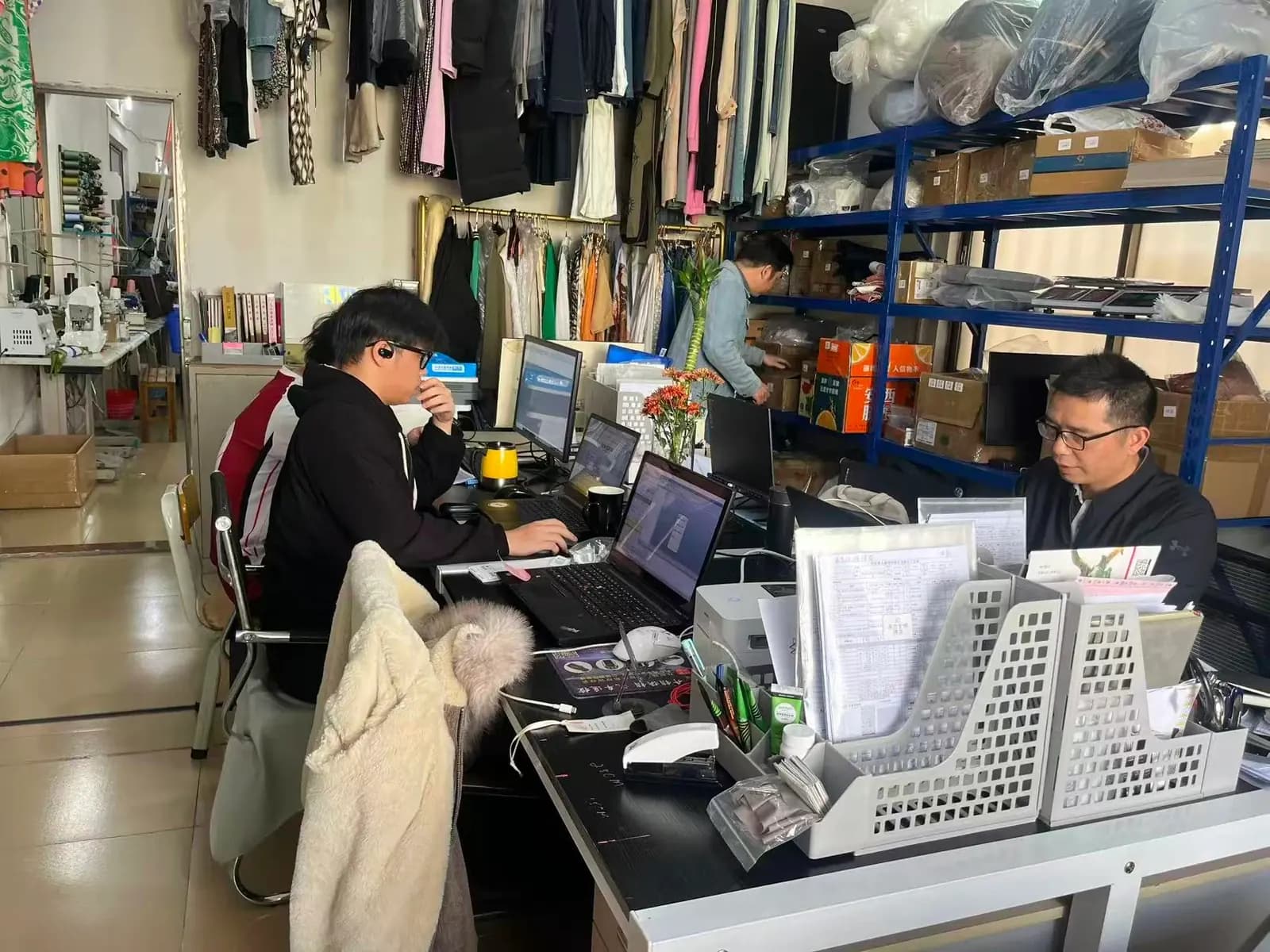
One programme team follows each order across both sites, from yarn and fabric development to packing and shipment.

02
Equipment and technical capability
Our setup covers cutting, sewing and finishing for wool, tailoring and outerwear programmes in Guangzhou, plus knit development and panel knitting in Dongguan.
From first pattern to final delivery
Pattern and sample development
We translate tech packs, reference samples or initial ideas into workable patterns and samples. Fit, proportion, construction and material behavior are reviewed before a style moves forward.
Sample making and fit review
Samples are made and reviewed for proportion, fit, construction, workmanship and material behaviour. Comments are resolved before approval.
Fabric, trim and component sourcing
Our Guangzhou network supports sourcing for wool, cashmere blends, knit yarns, insulation, denim, linings, closures, decorative trims and selected handbag components.
Pre-production confirmation
Approved specifications, materials, colours, trims, workmanship and packing requirements are aligned before bulk work begins.
Production follow-through
After sample and specification approval, suitable production partners are selected for the category and order. LGF follows material preparation, workmanship, timing and production consistency throughout the order.
Inspection, documentation and shipping
Finished goods are reviewed against approved requirements before packing. Export documentation and shipment coordination are managed as part of the same project workflow, with production records retained for repeat orders.

- Knitting
- Flat knitting machines from coarse to fine gauges for wool, cashmere blends, cotton and blended yarns, including fully fashioned panel knitting.
- Linking and washing
- Gauge-matched linking, washing, blocking and drying so knitted panels keep their shape and hand feel.
- Cutting
- Fabric inspection, spreading and in-house pattern cutting for wovens, double-faced wool and padded or down shells.
- Sewing
- Lockstitch, overlock, blind stitch and heavy-duty machines suited to wool coating, tailoring and technical outerwear.
- Pressing and bonding
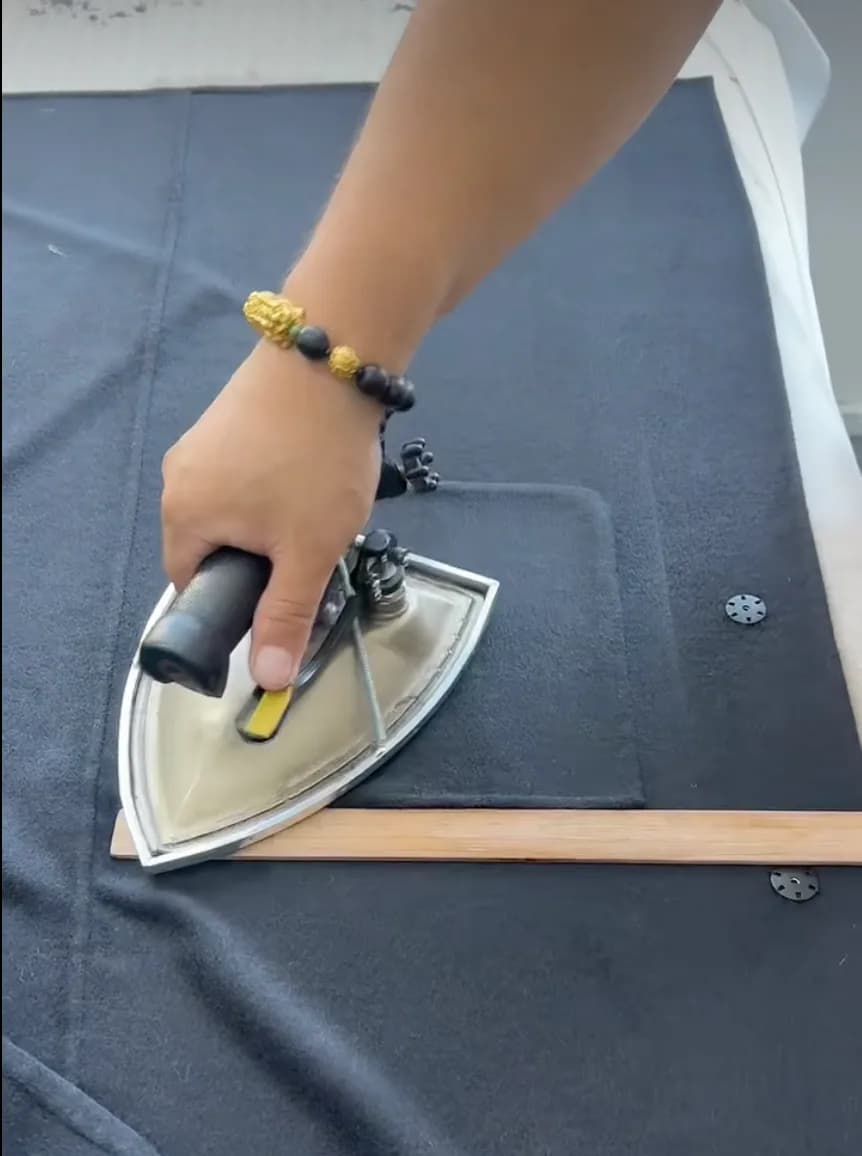
- Steam pressing, blocking and bonding presses, including bonding for double-faced wool construction.
Machine and gauge allocation is confirmed for each programme once yarn, fabric and construction are approved.
03
Specialist supply chain
Key processes run at mill level or through long-term specialist partners in Guangzhou, Dongguan and nearby areas, coordinated by our own team.
- Yarn sourcing
- Wool, merino, cashmere blends, cotton and specialty yarns through long-term spinning partners.
- Yarn and piece dyeing
- Shade matching, custom colour development and lab dips confirmed before bulk starts.
- Washing and finishing
- Wool washing, softening, enzyme and enzyme-free treatments, and shrinkage control for knitwear.
- Printing and embroidery
- Digital and screen printing, embroidery, intarsia and jacquard through specialist partners.
- Trims and hardware
- Buttons, zippers, metal hardware, labels and elastic, checked against buyer requirements.
- Down, padding and shells
- Down and synthetic filling, quilting, and waterproof or bonded shells for outerwear.
Specialist partners are coordinated by our team, so timing, MOQ and workmanship stay aligned with the approved sample.
04
Craftsmanship and finishing focus
We focus on the techniques that decide how wool coats, outerwear, denim and knitwear look, feel and hold their shape.
- Double-faced wool
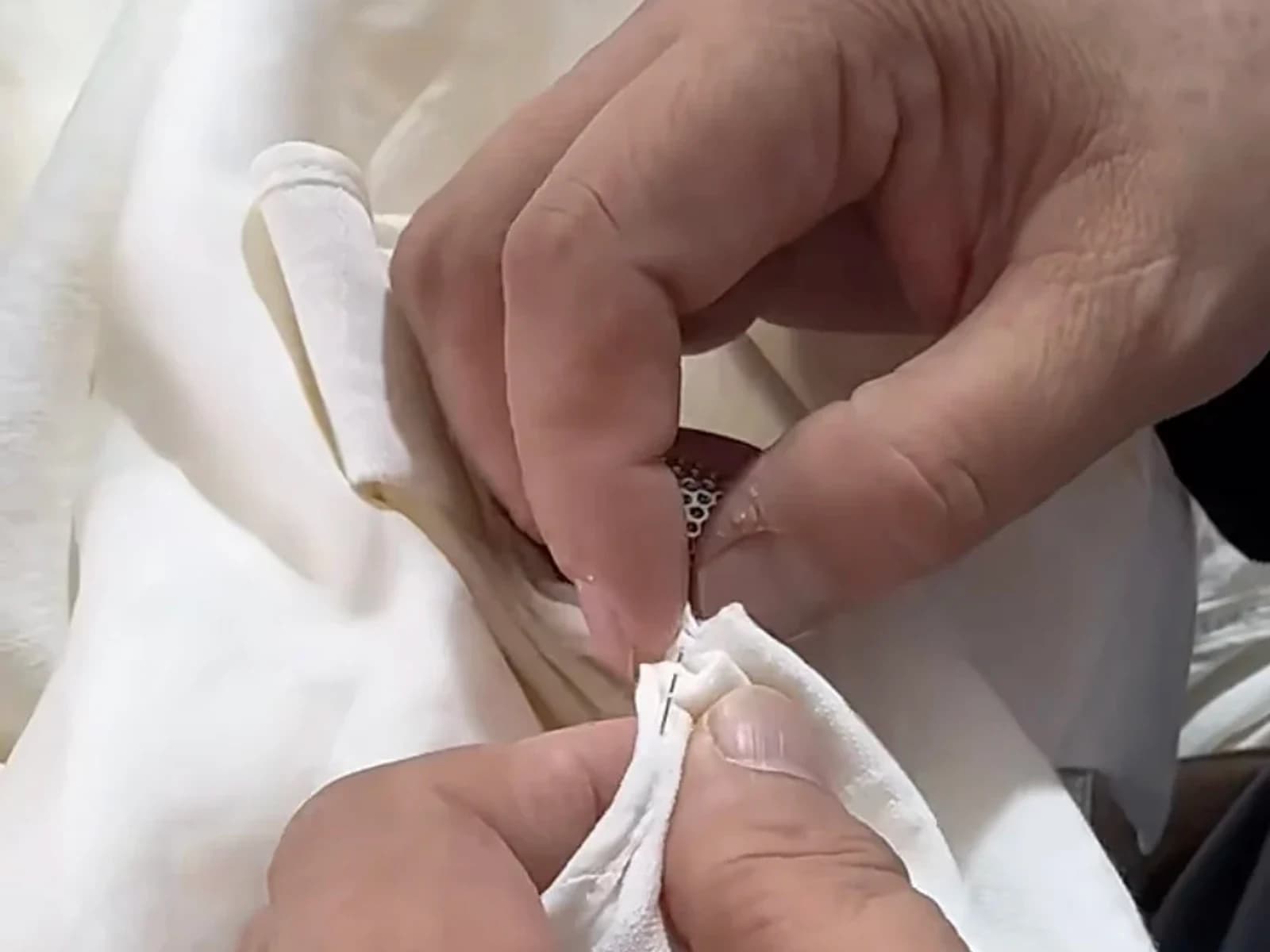
- Hand-stitched and bonded double-faced wool, unlined construction, clean internal edges
- Woven outerwear
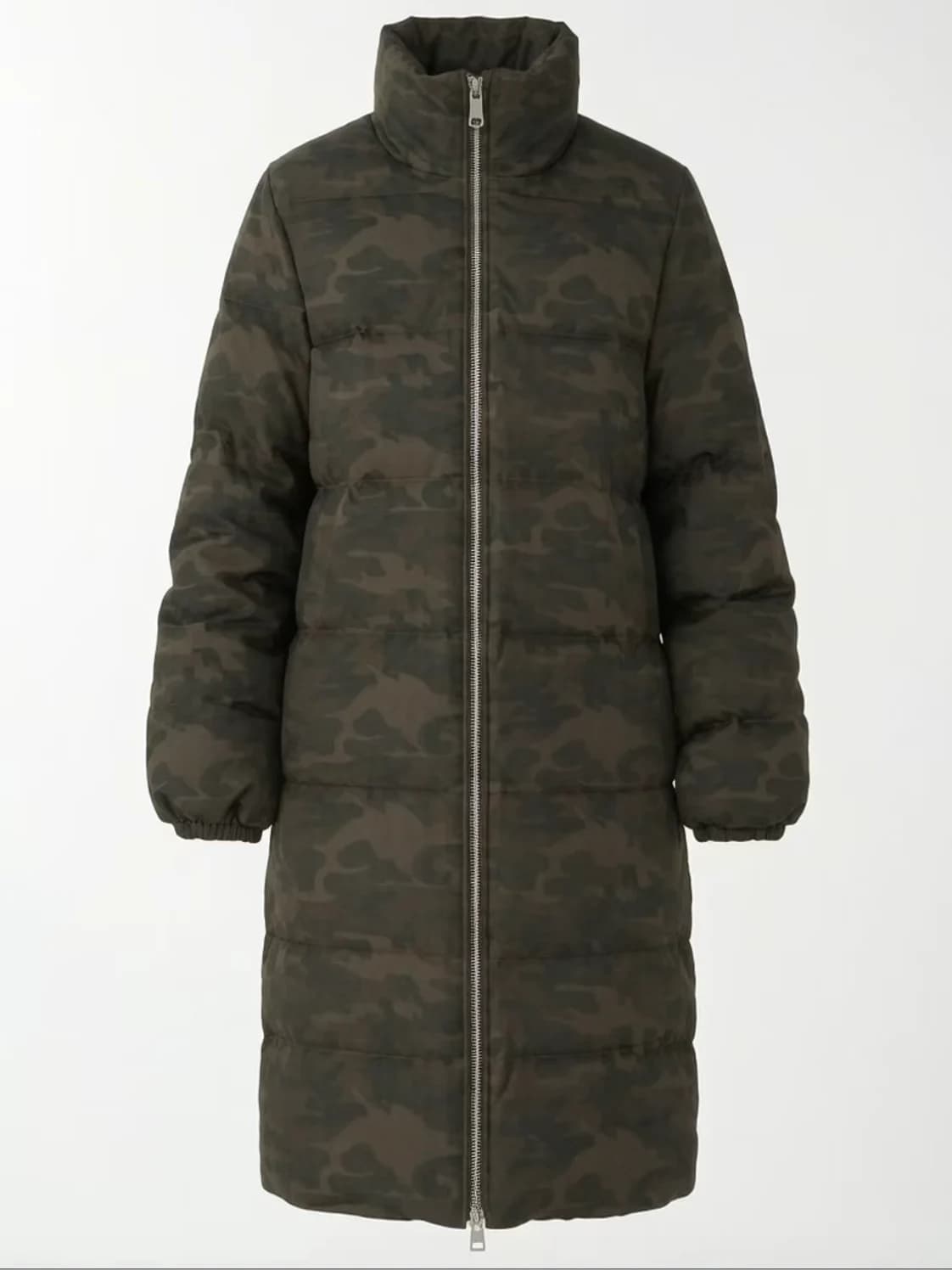
- Ultrasonic padding, quilting, down filling, waterproof, water-resistant, windproof and thermal insulation
- Knit structure
- Fully fashioned panels, intarsia, jacquard, rib and cable structures
- Linking and hand finishing
- Gauge-matched linking, hand-linked collars, hand-stitched edges and hand-finished details
- Pressing and shaping
- Steam blocking, seam pressing, collar and lapel shaping, final pressing before packing
- Denim finishes
- Garment dyeing, washing, whiskering, ripping and more



Quality control
Quality Checks Throughout Production
Quality control is integrated into the production process, from incoming materials to final packing.
- Incoming
- Fabric and yarn inspection, plus shade and accessory checks before cutting or knitting.
- In process
- First article review and inline checks during cutting, knitting, sewing and finishing.
- Final
- Measurement, workmanship and appearance checks, followed by packing and carton verification.
- Testing
- Colourfastness, shrinkage, pilling and composition testing arranged when the buyer requires it.

Inspection checklist
- Measurement and fit checks
- Key measurements are checked against the approved specification and agreed tolerances.
- Workmanship and construction checks
- Seams, stitching, finishing, attachment points and visible construction details are reviewed against the approved sample.
- Fabric, colour and trim checks
- Main materials, colour, trims and visible fabric condition are checked against approved references.
- Labelling and packing checks
- Labels, folding, packing method, quantities and carton requirements are reviewed before shipment.
Inspection requirements are confirmed for each product and order.
Testing & compliance
Standards confirmed before bulk starts
Testing, labelling, documentation and third-party inspection requirements vary by buyer and destination market. We confirm what your order needs at the inquiry stage, so nothing is left to guesswork later.
- Third-party inspection coordination
- Customer-appointed or independent third-party inspection can be coordinated when required.
- Testing and compliance documentation
- Fibre composition, care labelling, buyer testing requirements, restricted-substance requirements and supporting documents are reviewed project by project. Where independent testing or certification is required, LGF can coordinate with qualified third-party providers.
06
Programme fit and client benefits
The structure suits brands running knitwear and outerwear programmes that need sampling speed and stable repeat production.
- MOQ
- From 100 pcs per style per colour
- Monthly capacity
- 16,000 to 20,000 pcs depending on construction
- Sampling
- 2 to 3 weeks for development samples
- Bulk lead time
- 6 to 9 weeks after approval
- Knitwear and cut and sew in one programme
- Knitted panels from Dongguan and cut and sew coats from Guangzhou run to one tech pack and one timeline.
- Development next to production
- Pattern, sampling and knit development are handled by our own teams, so changes reach the floor quickly.
- Repeat orders on approved standards
- Approved samples, construction standards and inspection records are kept for reorders.
Detailed MOQ, lead time and sampling terms are listed in our Terms of Cooperation.
See terms of cooperationStart with your product requirements
Send your tech pack, reference sample or project outline. We will review the appropriate development and production route.
Discuss your project